
If your personal injury case in Fresno has moved into litigation, your attorney may mention a “998 offer.” For most injury victims, this is an unfamiliar legal term — but it is one of the most strategically important tools available in California personal injury law. Understanding what a 998 offer is, how it works, and what happens when one is accepted or rejected can mean the difference between maximizing your recovery and leaving significant money on the table.
- What Is a 998 Offer?
- The Rules — How a 998 Offer Works
- What Happens When a 998 Offer Is Rejected
- The 2025 Madrigal Decision — A Critical Update
- How Plaintiffs Use 998 Offers Strategically
- How Defendants Use 998 Offers Strategically
- What to Do When You Receive a 998 Offer
- Frequently Asked Questions — 998 Offers in California Personal Injury Cases
What Is a 998 Offer?
A 998 offer — formally called an Offer to Compromise under California Code of Civil Procedure Section 998 — is a written settlement proposal that either party in a civil lawsuit can make to the other. Unlike an informal settlement offer, a 998 offer carries specific legal consequences that create powerful financial pressure to settle.
The purpose of Section 998 is to encourage reasonable settlements and discourage parties from refusing fair offers and proceeding to trial unnecessarily. It does this through a cost-shifting mechanism: if you reject a 998 offer and then fail to obtain a better result at trial, you lose the right to recover your post-offer litigation costs — and may be required to pay the other side’s costs instead.
A 998 offer can be made by either the plaintiff or the defendant. It is available in any civil case that proceeds to litigation, including car accident, truck accident, motorcycle accident, pedestrian accident, dog bite, and wrongful death cases handled by our Fresno injury lawyers.
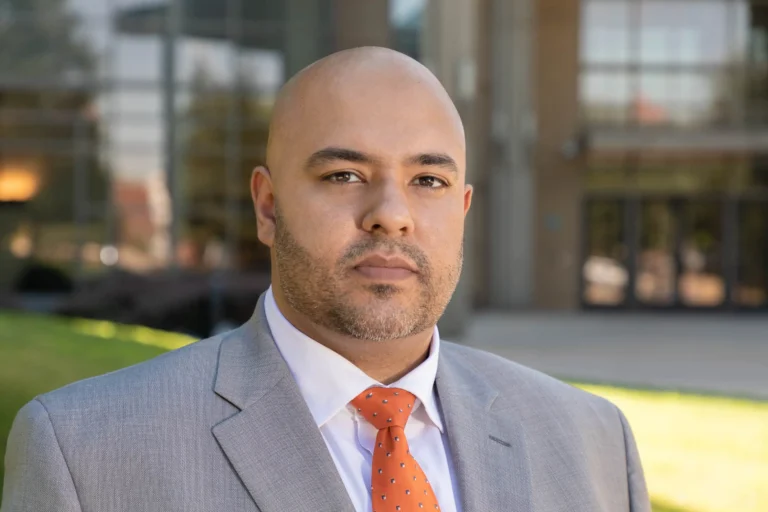
Your Attorney — Sarwinder Dhanjan
Sarwinder Dhanjan is the founding attorney of Dhanjan Injury Lawyer. He handles every case personally — you work directly with him from the first call through final resolution. Attorney Dhanjan is admitted to the State Bar of California and is active in Fresno County Superior Court.
The Rules — How a 998 Offer Works
Timing
A 998 offer must be served at least 10 days before the commencement of trial or arbitration. It can be made at any point after a lawsuit is filed — meaning a 998 offer can be served early in litigation, during discovery, or close to trial. There is no minimum waiting period after filing.
Acceptance Window
Once served, the receiving party has 30 days to accept — or until the first day of trial, whichever comes first. If the offer is not accepted within that window, it is automatically withdrawn. An unaccepted 998 offer cannot be used as evidence at trial.
Form Requirements
A valid 998 offer must be in writing, must clearly reference California Code of Civil Procedure Section 998, must state the specific terms and conditions of the proposed settlement in full, and must include a written provision allowing the accepting party to indicate acceptance by signature. An offer that does not meet these technical requirements may not trigger the cost-shifting consequences — which is why the drafting must be done precisely by an experienced attorney.
Good Faith Requirement
California courts require that a 998 offer be made in good faith — meaning the offer must be “realistically reasonable under the circumstances.” A token or nominal offer — like a $1 offer by a defendant on a clear liability case with documented serious injuries — will not trigger cost-shifting consequences because courts will invalidate it as not genuinely attempting settlement. The offer must reflect a genuine, good-faith assessment of the case’s value based on the information available at the time.
Multiple Offers
A party may make more than one 998 offer. As discovery produces new evidence and the case value becomes clearer to both sides, updated offers reflecting that new information are permissible and strategically valuable. The California Supreme Court has confirmed that public policy favors allowing multiple offers leading up to trial.
What Happens When a 998 Offer Is Rejected
This is where Section 998 has its most significant impact — and where injury victims and their attorneys must exercise careful judgment.
When the Defendant Makes a 998 Offer and the Plaintiff Rejects It
If the defendant serves a 998 offer, the plaintiff rejects it, and the plaintiff then fails to obtain a judgment more favorable than the offer amount, the plaintiff:
- Loses the right to recover post-offer costs — the filing fees, deposition costs, and other expenses incurred after the offer was served
- Must pay the defendant’s post-offer costs
- May be required to pay the defendant’s post-offer expert witness fees at the court’s discretion — which in a complex personal injury case can be substantial
The practical impact is significant. Consider a Fresno car accident case where the defendant offers $80,000 under Section 998 and the plaintiff rejects it believing they can recover more at trial. If the jury awards only $70,000, the plaintiff does not simply receive $70,000 less than the offer. They receive $70,000, must pay their own post-offer costs, and may also be ordered to pay the defense’s expert witness costs — which can easily reduce the net recovery to far less than the $80,000 that was on the table.
When the Plaintiff Makes a 998 Offer and the Defendant Rejects It
A 998 offer works in both directions. If the plaintiff serves a 998 offer, the defendant rejects it, and the plaintiff then obtains a judgment more favorable than the offer, the defendant:
- Pays the judgment amount
- Must pay the plaintiff’s post-offer costs
- May be required to pay the plaintiff’s post-offer expert witness fees at the court’s discretion
- Owes 10% annual prejudgment interest on the judgment from the date the 998 offer was served — under California Code of Civil Procedure Section 3291
The prejudgment interest provision is particularly powerful in serious injury cases. In a Fresno truck accident case with a substantial jury verdict, the 10% annual interest running from the date of a plaintiff’s 998 offer can add tens of thousands of dollars to the total recovery.
Request a Free Consultation Today
Speak with an Attorney and understand your next steps
The 2025 Madrigal Decision — A Critical Update
In March 2025, the California Supreme Court issued a landmark decision in Madrigal v. Hyundai Motor America that significantly expanded the reach of Section 998’s cost-shifting consequences.
Prior to Madrigal, there was uncertainty about whether Section 998’s cost-shifting applied only when a case concluded with a trial verdict, or whether it could also apply when the parties settled before trial. The California Supreme Court resolved this question: Section 998 cost-shifting can apply even when the case settles before trial — if the plaintiff accepts a pre-trial settlement that is less favorable than a prior defense 998 offer that was rejected.
In practical terms, this means that if a defendant serves a 998 offer of $150,000, the plaintiff rejects it, and the parties later settle on the eve of trial for $130,000 — the defendant may be entitled to withhold post-offer costs from the settlement, reducing the plaintiff’s net recovery below $130,000.
This decision makes the strategic evaluation of 998 offers even more important. A plaintiff who rejects a defense 998 offer cannot simply decide later to settle for less without facing potential Section 998 consequences. Read our post on what litigation means in a personal injury case for more context on how 998 offers fit into the overall litigation strategy.
How Plaintiffs Use 998 Offers Strategically
A 998 offer is not just a defensive tool. When used offensively by a plaintiff’s attorney, it is one of the most effective ways to maximize recovery and create pressure on the insurance company.
Timing is critical. A plaintiff’s 998 offer served after discovery is complete — when the evidence is fully developed and the defense knows the strength of the plaintiff’s case — is far more powerful than one served early in litigation before both sides understand the full picture. An offer served when the defense has seen the medical records, the expert designations, and the liability evidence is harder to reject as unreasonable.
The amount must be carefully calibrated. The offer must be high enough to reflect the genuine value of the case — so that if the defense rejects it and loses at trial, the jury verdict exceeds the offer and triggers cost-shifting. But it must also be reasonable enough to survive a good-faith challenge. Setting the number requires a deep understanding of the case value, the likely jury range, and the strength of the evidence.
The prejudgment interest incentive. In a serious injury case, serving a plaintiff’s 998 offer early in litigation starts the 10% annual interest clock running from that date — which can add substantial value to the total recovery if the case proceeds to trial and the plaintiff obtains a verdict exceeding the offer amount.
Pressure on expert costs. Expert witnesses in personal injury cases — accident reconstructionists, medical experts, vocational experts, life care planners — are expensive. The threat that the defense will bear those expert costs if they reject a 998 offer and lose at trial creates real financial pressure to negotiate seriously.
How Defendants Use 998 Offers Strategically
Insurance companies and their defense attorneys use 998 offers with equal strategic intent.
A defense 998 offer early in litigation — before the plaintiff has completed expert discovery and built the full record — attempts to lock in a lower number before the case’s full value is established. A plaintiff who accepts early may be settling for less than their claim is ultimately worth. A plaintiff who rejects it takes on the risk of cost-shifting if the jury award falls short of the offer.
Defense 998 offers are also used to create uncertainty and pressure on plaintiffs who are facing mounting litigation costs. The financial pressure of knowing that rejecting a $200,000 offer and winning only $180,000 at trial could eliminate the post-offer cost recovery — and require paying defense expert costs — is real and must be factored into every litigation decision.
This is why having an attorney who understands the full strategic landscape of Section 998, and who can accurately assess case value against the offer amount, is so important. Insurance companies are represented by experienced defense counsel who use these tools regularly. Fresno injury victims deserve the same level of strategic sophistication on their side.
What to Do When You Receive a 998 Offer
If your attorney advises you that a 998 offer has been received, the evaluation process requires:
Assessing case value. What is the realistic range of outcomes at trial? What have comparable Fresno County personal injury cases with similar injuries and liability produced? What are the strengths and weaknesses of your case on both liability and damages? Understanding where your case likely falls in the verdict range is the foundation of any 998 offer evaluation. Our post on the personal injury claim settlement process in California provides a framework for understanding what fair compensation looks like at each stage.
Evaluating litigation costs. What post-offer costs are at stake? What are the anticipated expert witness fees going forward? If the jury award falls short of the offer, how significantly will the cost-shifting reduce your net recovery?
Assessing trial risk. How strong is your liability evidence? How credible are your medical experts? How persuasive is your pain and suffering case? Understanding how pain and suffering is calculated after an accident in Fresno helps inform the damages component of this analysis.
Considering the Madrigal implications. Post-Madrigal, even a subsequent pre-trial settlement may not escape Section 998 consequences if the settlement amount falls below a previously rejected defense 998 offer. This must be factored into the decision.
Never decide alone. The financial consequences of accepting or rejecting a 998 offer are too significant to evaluate without experienced legal counsel. An attorney who has handled similar cases in Fresno County courts, understands local jury trends, and has deep familiarity with Section 998 strategy is your most valuable asset in this decision.
Frequently Asked Questions — 998 Offers in California Personal Injury Cases
Can a 998 offer be made before a lawsuit is filed?
No. A 998 offer under California Code of Civil Procedure Section 998 can only be made after a lawsuit has been filed. It is a litigation tool, not a pre-litigation settlement mechanism. Informal settlement offers made before filing a lawsuit do not carry Section 998’s cost-shifting consequences.
What happens if I accept a 998 offer?
If you accept a 998 offer, the accepted offer is filed with the court and judgment is entered on the agreed terms. The case is resolved — no trial, no further litigation. The settlement is binding and final, and you waive your right to seek additional compensation. Read our post on the personal injury claim settlement process for a full explanation of what happens after settlement.
Does a 998 offer apply in arbitration?
Yes. The rules for 998 offers apply to binding arbitration in the same way they apply to court trials. If a party rejects a 998 offer and obtains a less favorable arbitration award, the same cost-shifting consequences apply.
Can the defendant make a 998 offer for $1 to try to trigger cost-shifting?
No. California courts require 998 offers to be made in good faith — meaning they must be realistically reasonable given the evidence available at the time. A token or nominal offer like $1 on a legitimate injury claim will not satisfy the good faith requirement and will not trigger cost-shifting if the plaintiff rejects it and wins at trial.
How does a 998 offer affect my pain and suffering damages?
A 998 offer does not directly affect how pain and suffering damages are calculated — that analysis is based on the evidence and the applicable calculation methods. What a 998 offer affects is whether the jury’s pain and suffering award, combined with economic damages, produces a verdict that exceeds the offer amount. Our post on pain and suffering damages in California explains how non-economic damages are valued.